CityLab
Below are selected pieces from 2018 and 2019 when Nicole Javorsky was an editorial fellow at The Atlantic. (At the time, CityLab was part of The Atlantic — now it’s part of Bloomberg News)
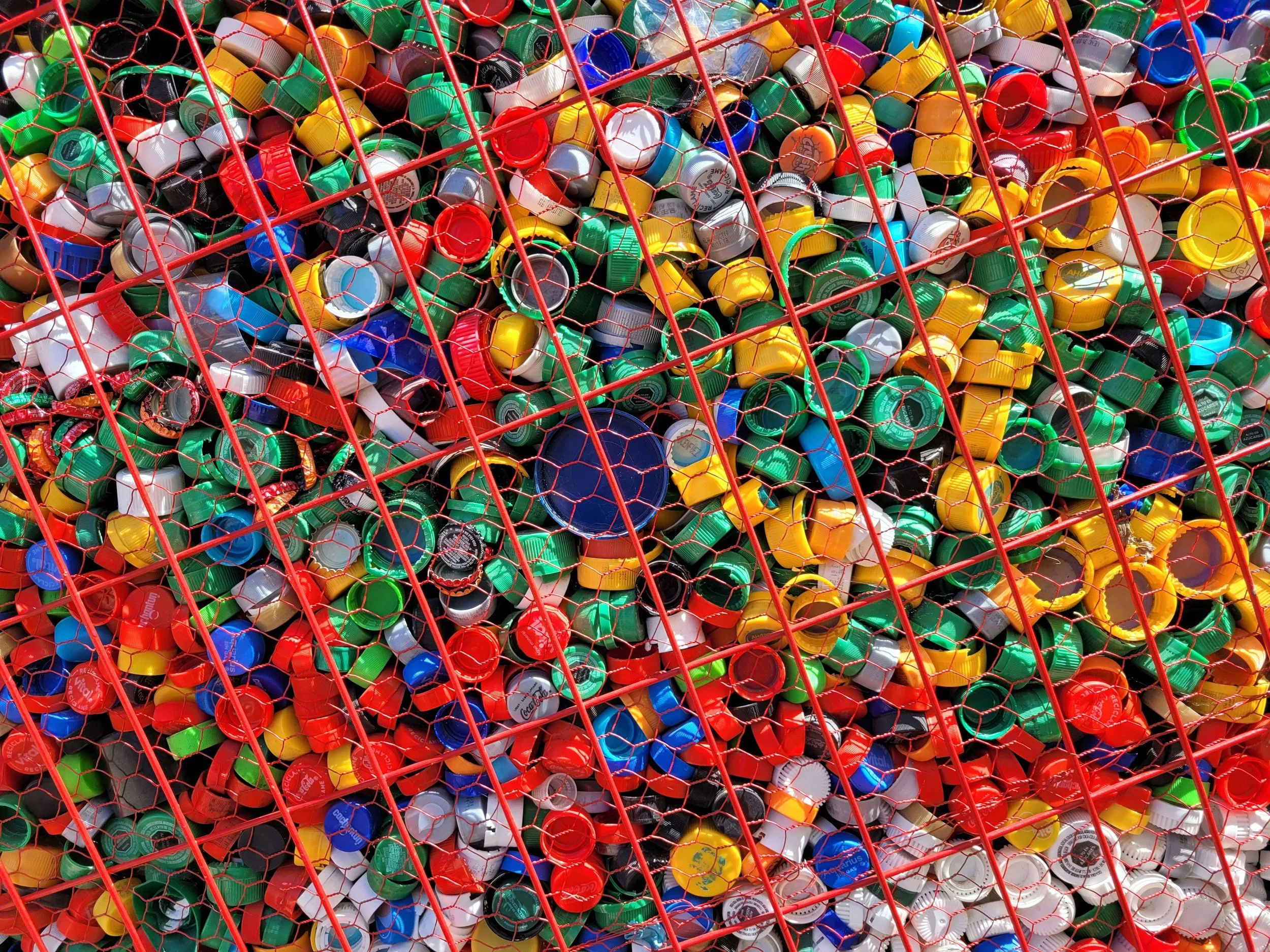
How American Recycling Is Changing After China’s National Sword
“This facility is our version of Willy Wonka & the Chocolate Factory.”
That’s how Eileen Kao described Montgomery County, Maryland’s recycling center on a tour. Kao, who is chief of waste reduction and recycling in the county’s Department of Environmental Protection, pointed out how machines in the facility help sort recyclables. As she described how the machines worked, a magnet separated steel and tin cans into a storage silo while a shaker table collected pieces of glass that were too small to be sorted …

Why Toledo Just Gave Legal Rights to Lake Erie
Lake Erie provides drinking water for 11 million people, and an unusual tactic to protect it was just adopted in Toledo, Ohio: On Tuesday, Toledoans passed the “Lake Erie Bill of Rights” in a special election, with 61 percent voting yes on a ballot measure that could allow citizens to sue polluters on behalf of the lake.
“This is the first in the nation in terms of rights-of-nature law being adopted by a municipality over a certain ecosystem, and I think it’s the beginning of more things to come in that area,” said Thomas Linzey, executive director and chief legal counsel for the Community Environmental Legal Defense Fund, which helped local activists draft the bill …
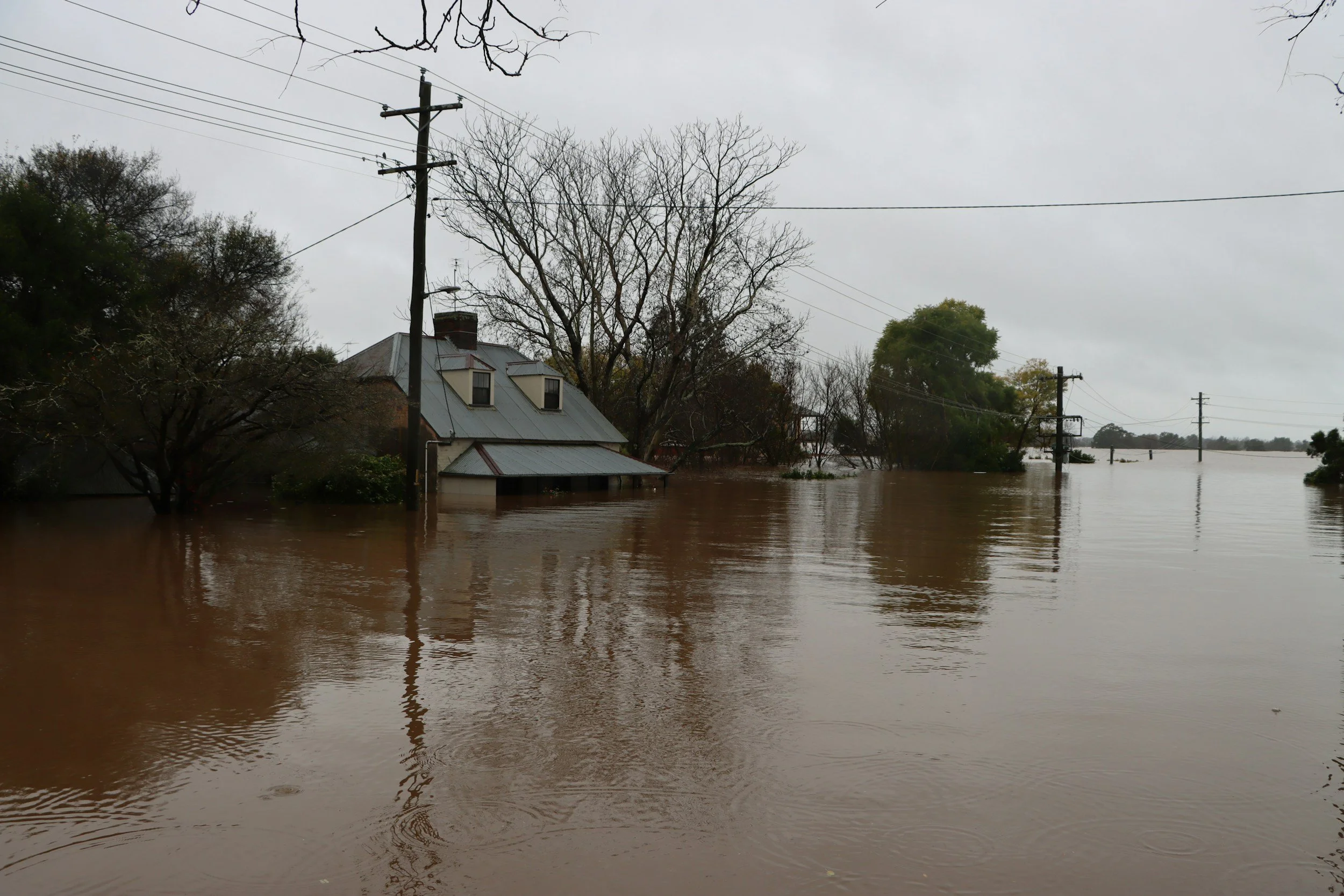
First Come the Floodwaters, Then Comes the Mold
When Hurricane Florence made landfall on September 14, it pummeled the Carolinas with high winds and staggering amounts of rainfall. The storm dumped more than 30 inches of rain in some areas, causing rivers and roads to flood. Then, this month, after it decimated homes in the Florida Panhandle, Hurricane Michael caused serious flooding in Virginia.
Now, thousands of victims will assess and repair the damage to their homes. Many will tear out flooring and drywall to try to get rid of mold …

How One Kid Stopped the Contamination of a River
Stella Bowles was 11 years old when she first donned her rubber boots to test for water contamination in the LaHave River, which runs beside her home on the South Shore of Nova Scotia, Canada.
“I wanted to swim in the water, and Mom’s always said no,” Bowles told CityLab. But in 2015, after hearing her mom, Andrea Conrad, say that their neighbors were using illegal straight pipes, Bowles asked her what a straight pipe was. “She explained it’s a pipe from a home’s toilet into a waterway, with no filtration whatsoever,” Bowles recalled. “I had so many questions.”
Such as: If the river has poop in it from nearby houses, how many houses?

Designing the First Full-Time Human Habitat on the Moon
The first humans landed on the moon in 1969. Fifty years later, humans are figuring out how to live there.
Radiation, lack of breathable air, generating energy, and relying on rockets to transport building materials are among the challenges for humans settling on the moon. But it is possible to find solutions to these challenges, according to SOM Design Partner Colin Koop.
His firm has released a design for the first full-time human habitat on the lunar surface, in partnership with the European Space Agency (ESA) and the Massachusetts Institute of Technology (MIT). SOM is master planning, designing, and engineering the settlement.
“It is really rethinking what it means to settle somewhere from the ground up,” Koop told CityLab …
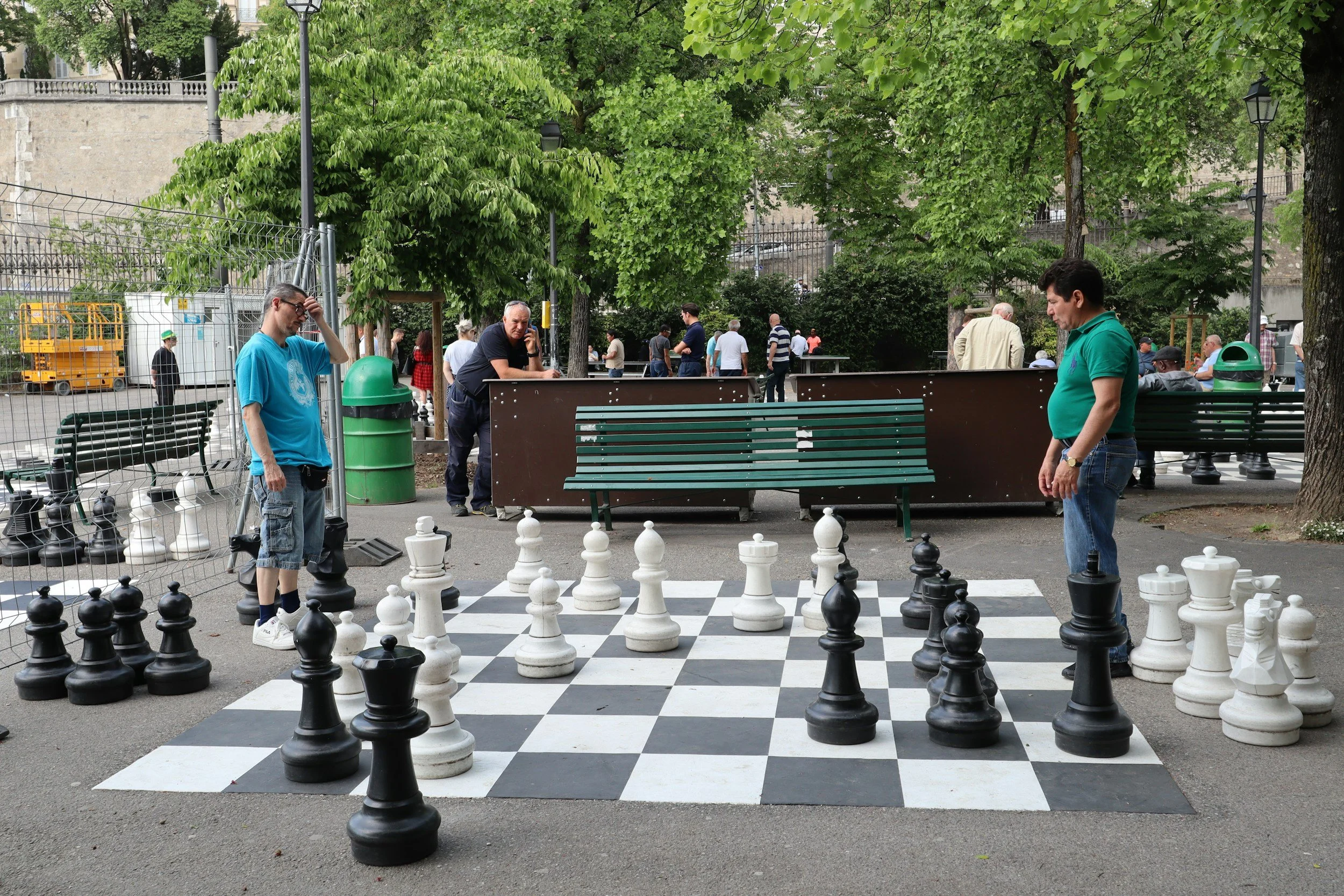
What’s the Deal With Giant Games in Parks and Plazas?
A toddler, gripping a ring nearly the size of his face, stands next to a Connect Four board that’s almost twice his height. Two women reach toward a giant Jenga tower as park-goers lounge on blankets nearby.
These scenes, captured in photos from the Bryant Park picnic program in New York City, illustrate a trend in urban public spaces in the United States: life-sized games. Whether it’s supersized chess and checkers in Buffalo or giant Scrabble at The Wharf in Washington, D.C., the games appeal to children and the young adults who have flooded into cities in recent years, and whom developers and businesses are eager to court. They’re part of a larger push for “playable” cities, and for urban public spaces to be active rather than contemplative.
“We see the increase in giant games as one of the ways cities are being creative about cost-effective ways to activate and enliven plazas,” said Erin Lonoff, a director at the real estate and economic development consulting firm HR&A Advisors …